What to Check and Fix Right After a Major Storm
After a major storm, roof maintenance should start with a careful visual check for damage, clearing debris, and looking for signs of leaks inside your home. High winds, heavy rain, hail, or fallen branches can weaken shingles and flashing. Acting fast helps stop small problems from turning into expensive repairs.
Why Prevention Matters After Every Storm
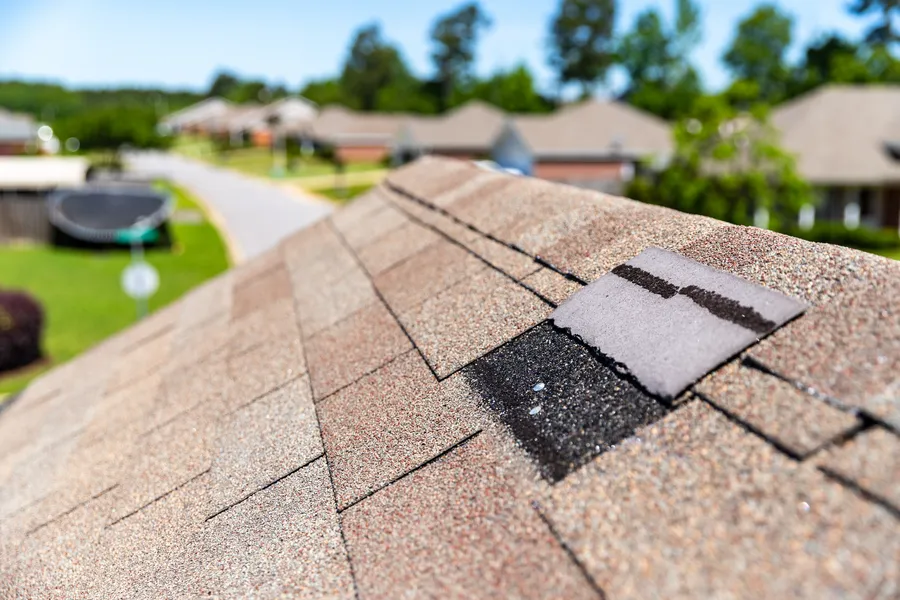
Storms put stress on every part of your roof. Even if it looks fine from the ground, hidden damage can grow over time. A loose shingle can lift more during the next windy day. A small crack can let in water. That water can soak insulation and stain ceilings.
Regular roof maintenance after rough weather keeps your home dry and safe. It also helps your roof last longer. Waiting too long gives water time to spread and cause rot or mold.
Early Warning Signs to Watch For
Some signs of storm damage are easy to see. Others take a closer look. Check both the outside and inside of your home.
- Missing or curled shingles
- Granules collecting in gutters
- Dented vents or metal flashing
- Sagging spots on the roof
- Water stains on ceilings
- Dripping sounds in the attic
If you notice any of these, plan for maintenance soon. Small repairs now can stop bigger headaches later.
Post-Storm Roof Maintenance Checklist
Use this simple checklist after wind, hail, or heavy rain. Always stay safe. If the roof looks unstable, do not climb up.
- Walk around your home and look for visible damage.
- Check gutters and downspouts for blockages.
- Look for fallen branches or debris on the roof.
- Inspect attic spaces for damp insulation or leaks.
- Take clear photos of any damage you find.
- Cover exposed areas with a tarp if needed.
This basic routine supports strong roof maintenance habits and helps you respond quickly after severe weather events.
Best Practices for Long-Term Results
Strong maintenance does not end after one inspection. Build a simple routine during storm season. Trim tree branches that hang over your home. Secure loose gutters. Replace worn shingles before storm season begins.
Schedule inspections at least once a year. Many homeowners forget about small cracks around vents and chimneys. Sealing these gaps keeps water out during heavy rain.
If your area deals with hail often, ask a professional about impact-resistant materials. If high winds are common, stronger shingle fasteners may help. These upgrades can lower the risk of future storm damage.
What Not to Do After Severe Weather
After a storm, many homeowners rush to fix damage themselves. That can be risky.
Avoid these common mistakes:
- Climbing onto a wet or slippery roof
- Ignoring small leaks
- Using the wrong type of sealant
- Power washing shingles
- Waiting months before inspecting
Power washing may seem helpful, but it can strip away protective granules. That weakens shingles and shortens roof life.
Also, do not assume your roof is fine just because there is no leak yet. Storm damage often shows up weeks later.
When to Schedule Professional Help
Some damage is easy to spot. Other problems hide under shingles or underlayment. Call a professional if you see widespread shingle loss, sagging areas, or steady leaks.
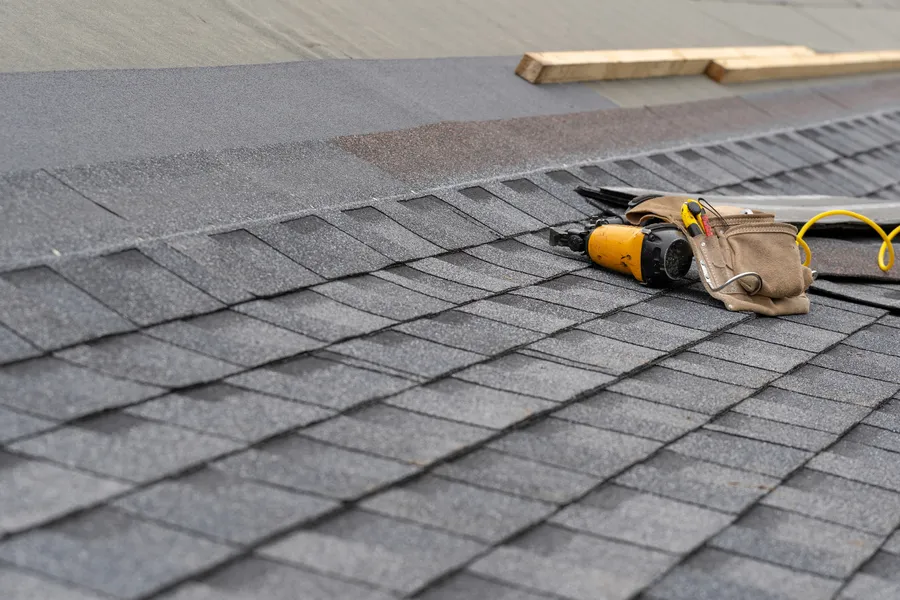
Homes that need full roof maintenance after large storms often require tools and safety gear most homeowners do not have. A trained crew can check flashing, ventilation, and structural supports safely.
Professional inspections are also helpful when filing an insurance claim. Clear reports and photos make the process smoother.
Protect Your Home in Basking Ridge, NJ With Reliable Support
Storms in Basking Ridge, NJ can hit hard and cause sudden roof damage. At Basking Ridge GSC Roofing and Siding, we help homeowners recover quickly with thorough inspections and dependable roof maintenance services. We take time to spot hidden problems and fix them the right way. Call us at (908) 633-0481 to schedule an inspection and keep your home protected after severe weather.