Fewer Seams Mean Fewer Weak Spots Where Water Can Get In
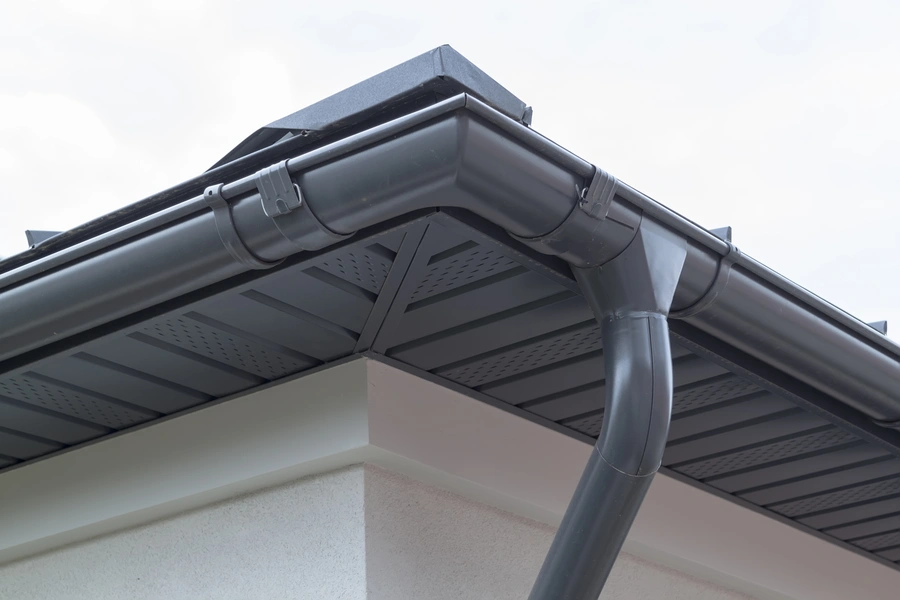
Seamless gutter installation prevents leaks by removing the joints that often fail in older gutter systems. Traditional gutters come in sections. Each section is joined together, and those joints can pull apart over time. With seamless systems, the gutter runs in one continuous piece along your roofline. That means fewer cracks, fewer gaps, and less chance for water to drip behind your walls.
Why Prevention Matters for Your Home
Water is one of your home’s biggest enemies. When gutters leak, water can spill down the siding or pool near the foundation. Over time, that can lead to wood rot, mold, and cracks in concrete. Small drips may not seem like a big deal today. But after a few heavy storms, the damage can grow fast.
Seamless gutter installation is part of a strong rainwater management plan. By guiding water safely away from your home, you protect your roof, walls, and yard. Fewer leaks also mean less staining and fewer repair bills later.
Early Warning Signs of Gutter Leaks
You can often spot gutter problems before they get worse. Watch for these signs around your home:
- Water dripping from the middle of the gutter
- Rust spots or small holes
- Paint peeling near the roofline
- Water pooling near the foundation
- Sagging sections after heavy rain
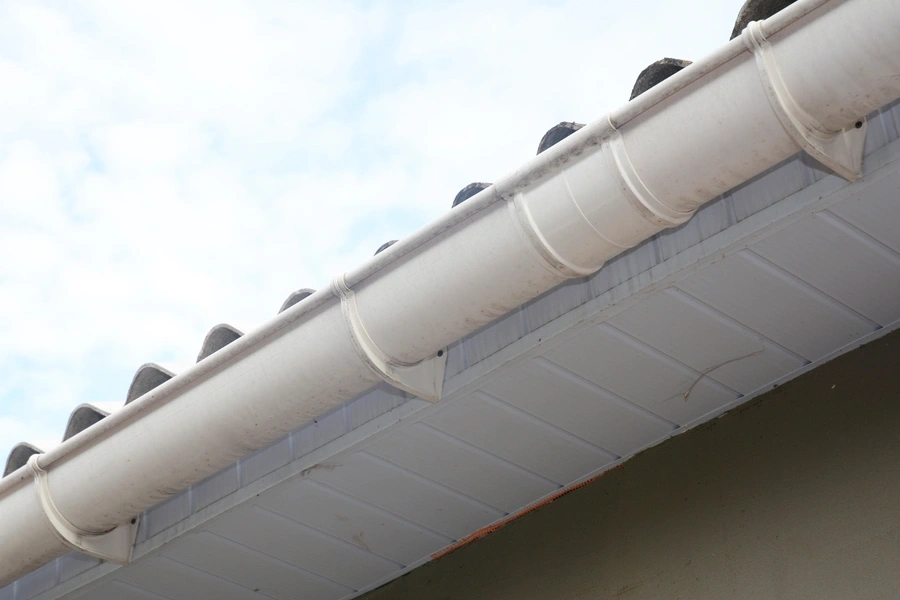
Sectional gutters tend to leak at the joints first. If you notice repeated issues in the same spots, the seams may be the cause. Seamless gutter installation removes those problem areas almost completely.
Routine Checklist to Keep Gutters Working
Even seamless systems need basic care. A simple routine helps prevent clogs and overflow.
- Clean out leaves and debris at least twice a year.
- Check downspouts for blockages.
- Look for loose brackets after strong winds.
- Make sure water flows away from the foundation.
- Inspect after major storms.
This checklist supports any type of gutter installation. Still, seamless gutter installation reduces the number of leak points you need to worry about during these inspections.
Best Practices for Long-Term Results
Proper sizing and slope matter just as much as design. Gutters must be pitched slightly so water moves toward the downspouts. If they are flat or tilted the wrong way, water will sit and cause wear.
High-quality materials also make a difference. Aluminum seamless gutters resist rust and hold up well in most climates. Strong hangers spaced correctly along the roof edge help prevent sagging.
Professional seamless gutter installation uses custom-cut pieces made on-site. This creates a tight fit along your home’s exact measurements. Fewer joints plus a precise fit equals fewer opportunities for leaks.
What Not to Do With Leaking Gutters
It can be tempting to seal every drip with caulk. While sealant may stop a small leak for a short time, it often fails again after heat and rain. Adding extra screws at sagging joints can also crack older sections.
Avoid hanging heavy items from gutters, including lights without proper clips. Extra weight strains joints and speeds up failure. If you have frequent issues in a sectional system, patching again and again costs more over time.
When to Schedule Professional Help
If you see repeated leaks, major sagging, or water damage inside your home, it is time for expert support. A professional can check the slope, fascia board condition, and downspout placement. They can also tell you if repairs are enough or if a full seamless gutter installation is the smarter move.
Homes with complex rooflines or multiple levels benefit most from custom systems. The fewer connection points across those long runs, the better your protection during heavy rain.
Protect Your Home From Future Leaks
If you live in Basking Ridge, NJ, heavy rain can put real stress on your gutter system. At Basking Ridge GSC Roofing and Siding, we install custom seamless gutter installation systems built to handle local weather. Our team checks every detail, from slope to downspouts, to help stop leaks before they start. Call us today at (908) 633-0481 to schedule an inspection or learn if a new system is right for your home.